PSN Gastro Care Logo
Liver Disorder Treatment in Chennai

Abnormal Liver Reports? Know What Comes Next.

Fatty liver, fibrosis, cirrhosis, liver tumours and advanced liver disease do not follow the same treatment path. Consult Dr. P. Senthilnathan to understand your reports and determine the appropriate next step.

✓
Abnormal Liver-Test Review
✓
Fatty Liver & Cirrhosis Assessment
✓
Liver-Tumour Second Opinion
✓
Surgery & Transplant Guidance

Book Free Consultation

Get a call back from our medical experts

25+ Years

Surgical Experience

HPB Expertise

Liver, Pancreas & Biliary Care

Advanced Procedures

Liver Resection & Transplant Care

Minimally Invasive

Laparoscopic Surgical Expertise
Clinical Insight

ONE LIVER REPORT CAN INDICATE DIFFERENT CONDITIONS

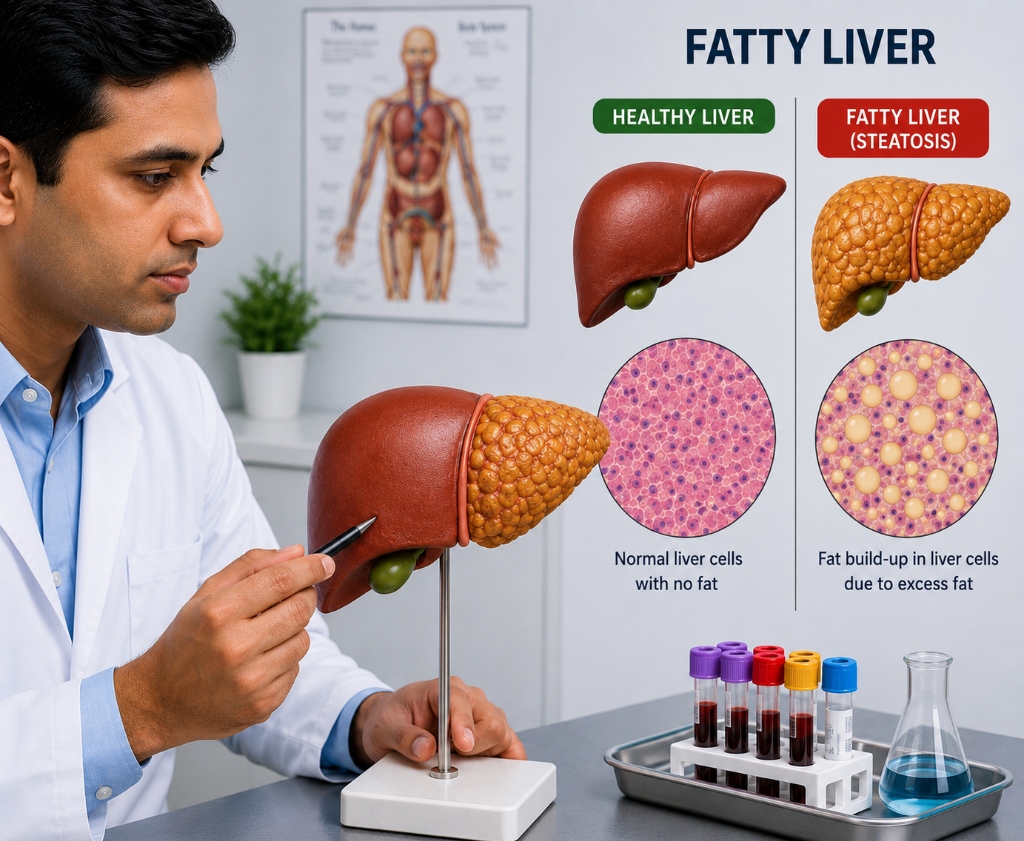
Fat Build-Up

Fat Build-Up

May be associated with fatty liver disease and metabolic health concerns.
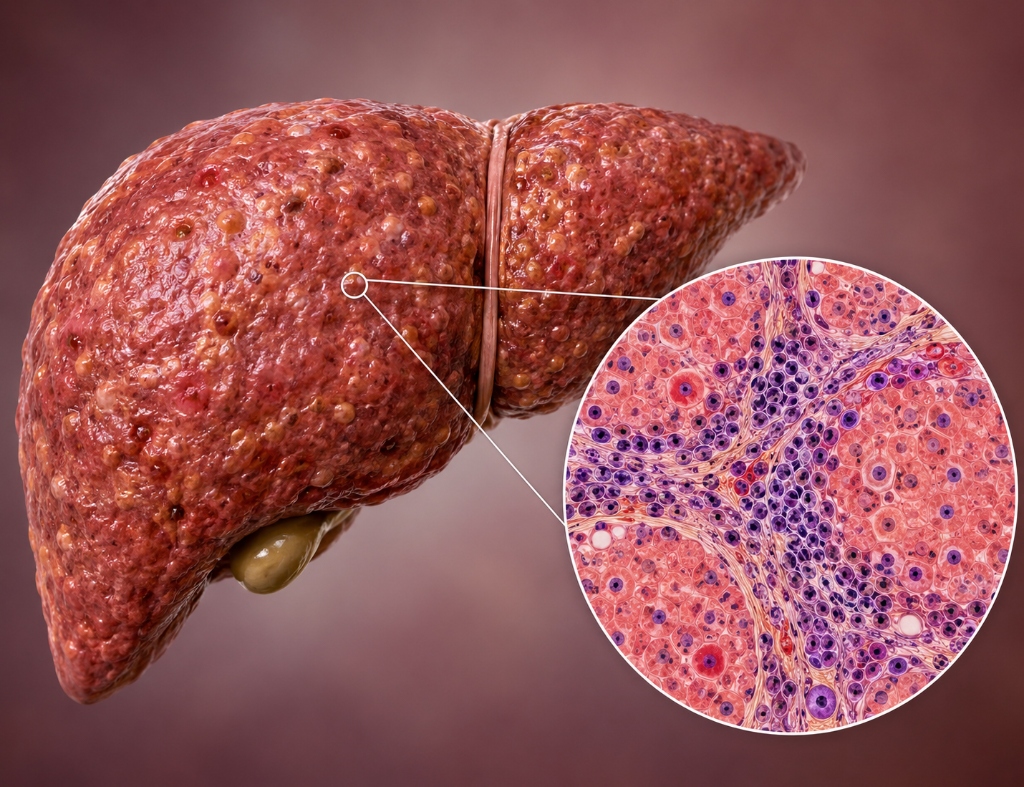
Persistent Inflammation

Persistent Inflammation

Can occur with hepatitis and may gradually lead to liver damage.
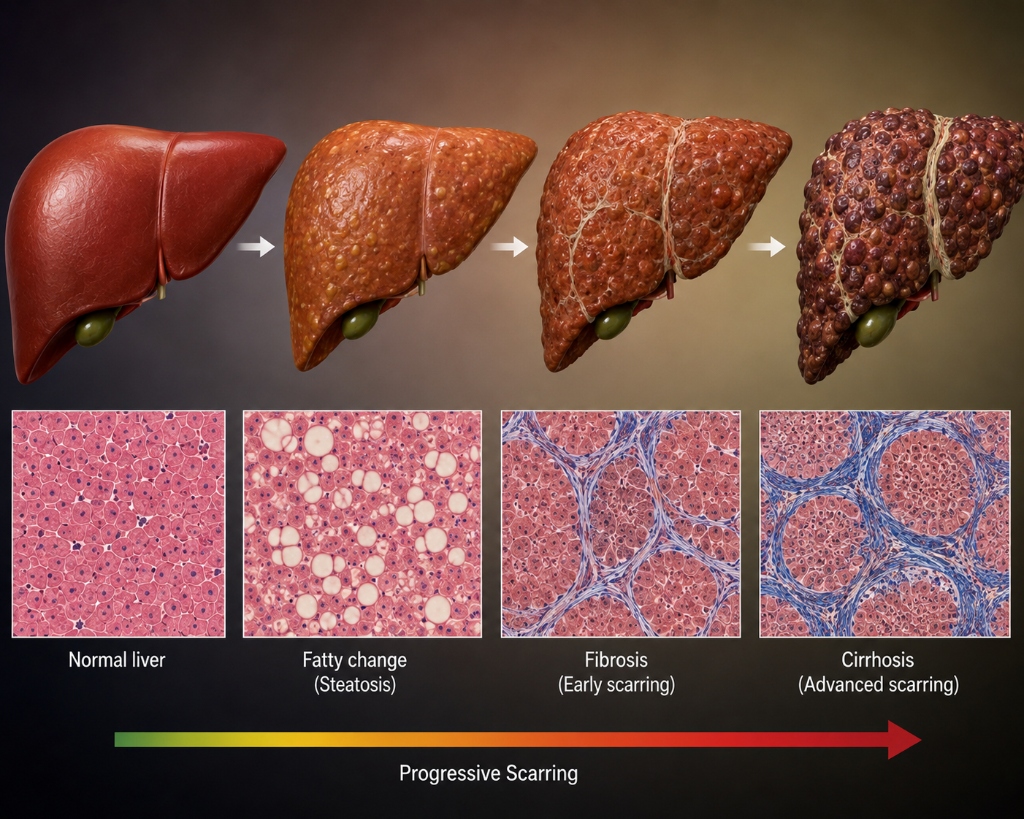
Progressive Scarring

Progressive Scarring

Fibrosis can advance to cirrhosis and affect normal liver function.
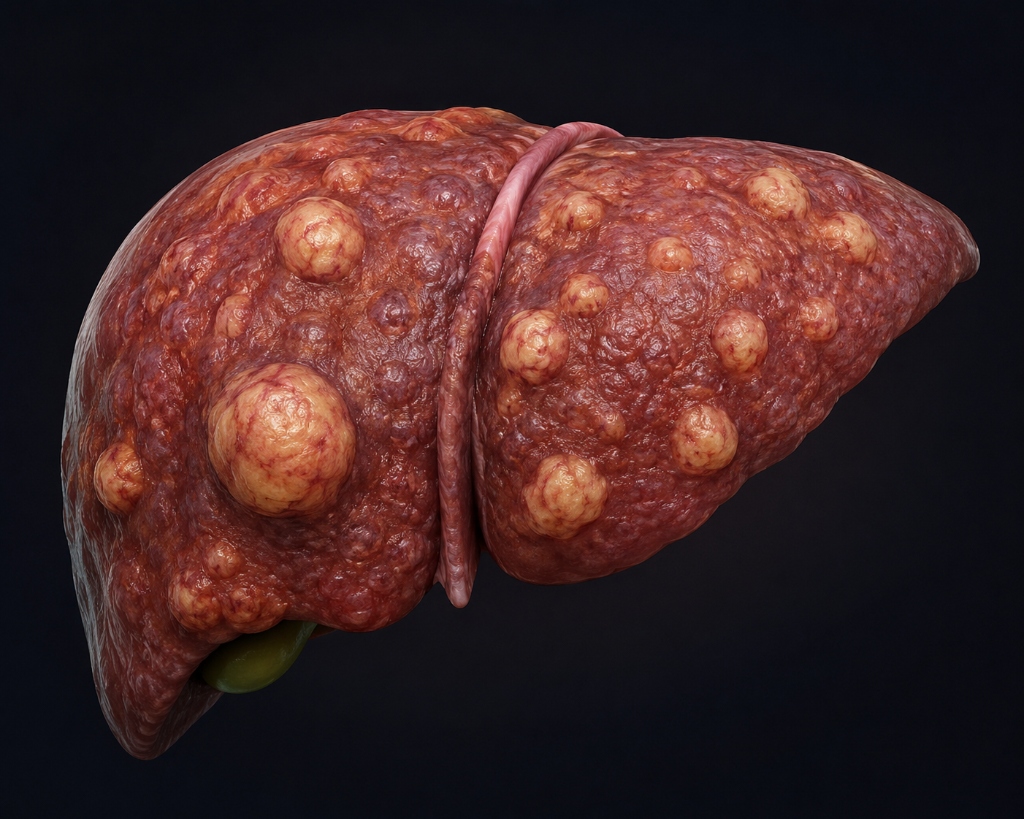
Abnormal Growth

Abnormal Growth

Liver nodules or tumours require detailed evaluation to determine their nature and stage.

Clinical Indications

PATIENTS COMMONLY CONSULT US FOR

Comprehensive evaluation and specialist guidance tailored to your specific liver report or clinical symptoms.

Lab Tests

Abnormal Liver Function

Abnormal liver-function test results (elevated LFTs, SGOT, SGPT, bilirubin) requiring expert interpretation.

Diagnostic Workup
Routine Check

Health Check-Up Findings

Fatty liver or liver enlargement identified during a routine executive health check-up scan.

Risk Assessment
Imaging Scans

Scan Detection

Fibrosis, parenchymal changes or cirrhosis seen on ultrasound, FibroScan, CT or MRI scan.

Imaging Correlation
Symptoms

Persistent Symptoms

Persistent jaundice, unexplained fatigue, or abdominal swelling requiring medical review.

Symptom Workup
Specialist Review

Liver Nodules or Tumours

A newly detected liver nodule, cyst, or tumour requiring specialist assessment and staging.

Lesion Staging
Second Opinion

Surgical Second Opinion

Second opinion before liver surgery to confirm diagnosis, surgical feasibility and treatment options.

Surgical Confirmation
Specialist Evaluation

Advanced Liver Disease & Transplant Consultation

Evaluation for advanced liver disease, cirrhosis management, portal hypertension, and liver transplant candidacy.

Clear Roadmap

FROM REPORT TO TREATMENT DECISION

1

Review the Findings

Previous blood tests, ultrasound, CT, MRI or FibroScan reports are reviewed along with symptoms and medical history.

Step 01 • Assessment
2

Understand the Stage

Further investigations or a liver biopsy may be advised when additional clarity is required.

Step 02 • Staging
3

Choose the Appropriate Path

The next step may involve monitoring, medical management, an interventional procedure, surgery or transplant evaluation.
Step 03 • Action Plan
Tailored Medical & Surgical Care

POSSIBLE TREATMENT PATHWAYS

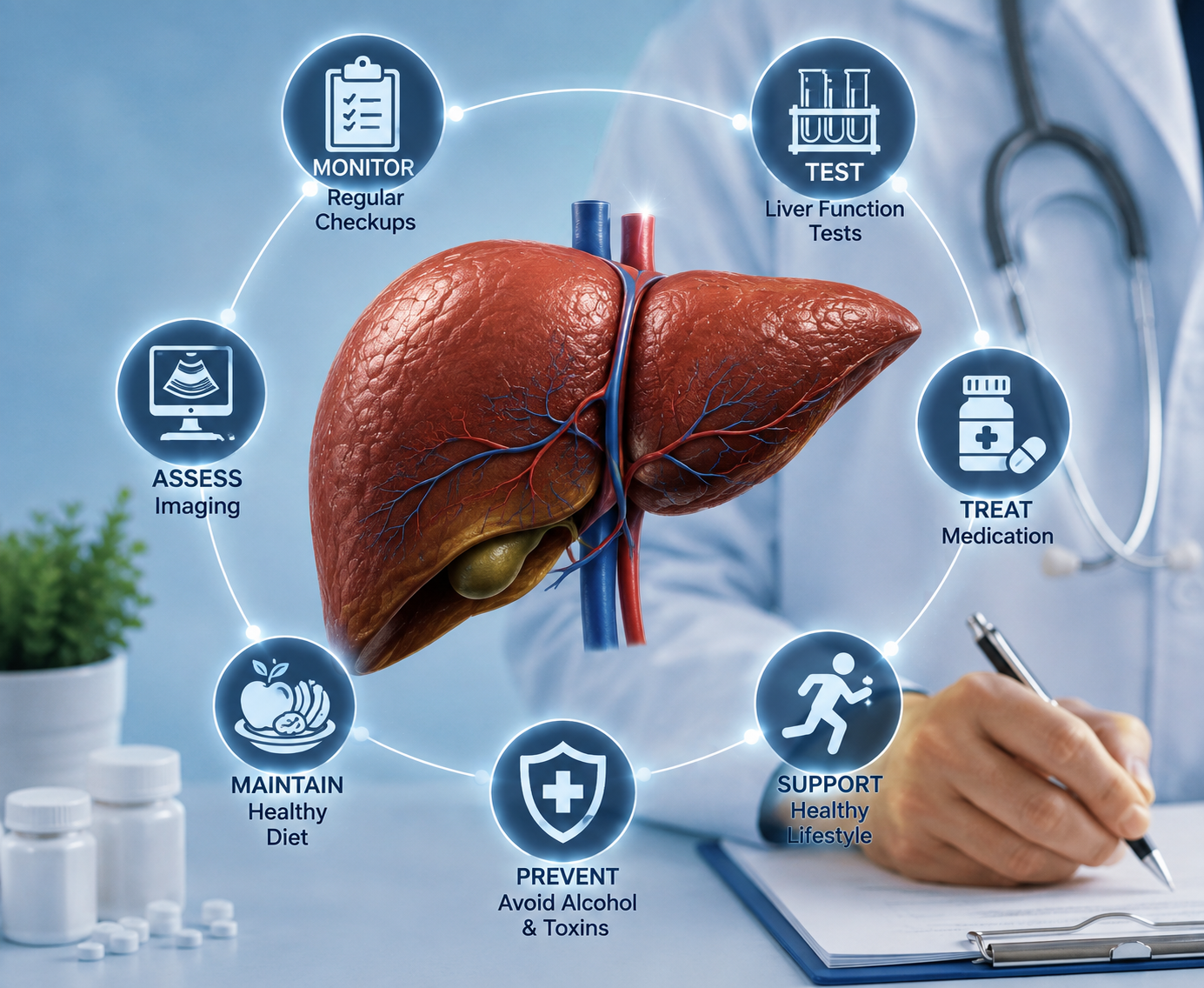
Monitor and Manage

Monitor and Manage

Early or manageable conditions may require lifestyle changes, medical care and regular liver-function monitoring.
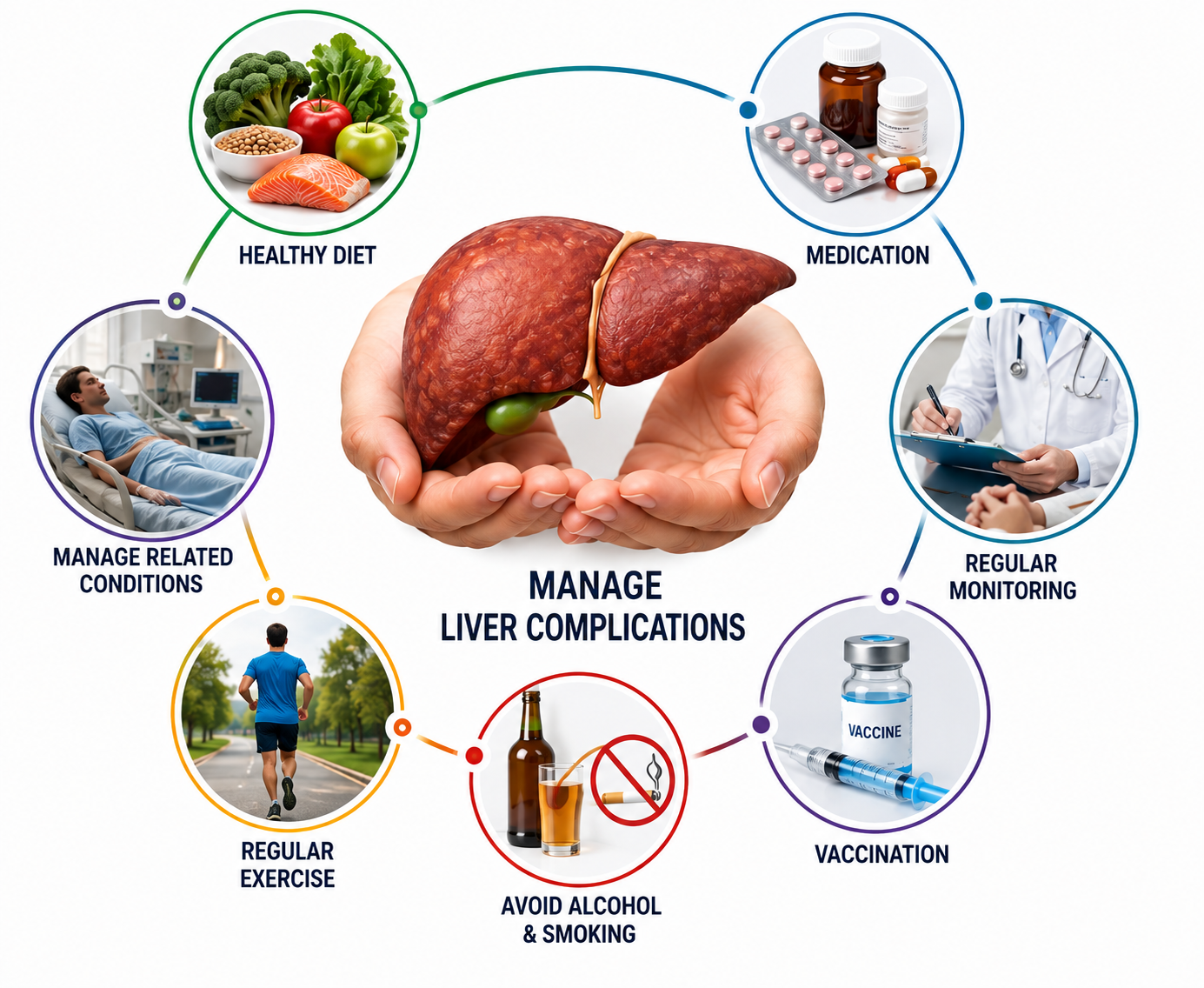
Manage Liver Complications

Manage Liver Complications

Endoscopic procedures, biliary stenting or TIPS may be considered for selected complications.
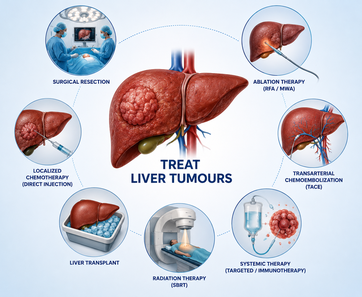
Treat Liver Tumours

Treat Liver Tumours

Ablation, TACE or liver resection may be considered according to the tumour’s size, location and stage.
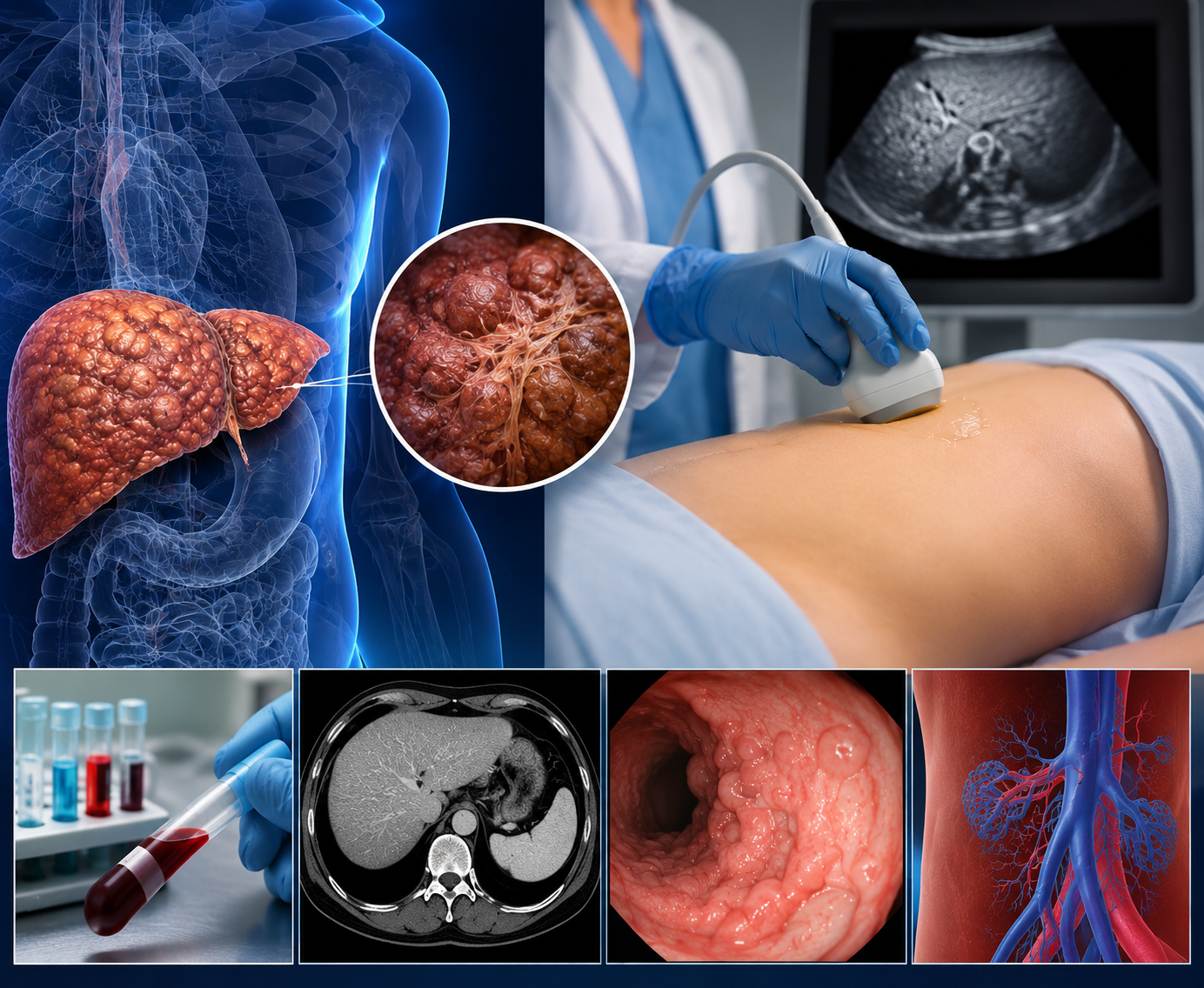
Evaluate Advanced Liver Disease

Evaluate Advanced Liver Disease

Liver-transplant evaluation may be recommended when the liver is no longer functioning adequately.

The appropriate pathway is determined only after clinical assessment and relevant investigations.

Expert Surgical Care

YOUR LIVER SURGERY SPECIALIST

Dr. P. Senthilnathan

Dr. P. Senthilnathan

MS, DNB, MRCS, DNB (GI Surgery), FACS, FMAS

Director & Head – HPB, Minimal Access Surgery and Transplant

With more than 25 years of surgical experience, Dr. P. Senthilnathan specialises in liver and HPB surgery, complex abdominal procedures and minimally invasive surgery.

His approach focuses on helping patients understand:

  • What the reports indicate
  • Whether the condition requires surgery
  • Which treatment options may be suitable
  • When monitoring or a second opinion is appropriate
Consultation Guidance

PREPARE FOR YOUR CONSULTATION

Please bring available:

1
Liver-function test results
2
Ultrasound, CT, MRI or FibroScan reports
3
Previous biopsy or treatment records
4
Current medication details
5
Records related to hepatitis, fibrosis or cirrhosis

GET CLARITY BEFORE YOUR NEXT DECISION

Speak with our consultation team for a liver-report review, second opinion or treatment discussion.

Book Your Consultation

Treatment suitability, recovery and outcomes vary according to the diagnosis, disease stage and individual health condition.

Clear Guidance

FREQUENTLY ASKED QUESTIONS

What are the early signs of liver disease?
Early liver disease may not cause noticeable symptoms. Possible signs include persistent tiredness, reduced appetite, nausea, upper-right abdominal discomfort, itching, dark urine, pale stools, abdominal swelling or yellowing of the eyes and skin.
Which doctor should I consult for a liver problem?
A hepatologist or gastroenterologist manages many medical liver conditions. An HPB or liver surgeon may be consulted when the condition involves a liver tumour, cyst, bile-duct obstruction or another problem that may require surgery.
Can fatty liver become serious?
Fatty liver may remain mild in some people, but it can progress to inflammation, liver scarring or cirrhosis in others. Diabetes, obesity, high cholesterol and alcohol consumption may increase the risk of progression.
What tests are used to diagnose liver disease?
Evaluation may include liver-function tests, bilirubin levels, viral-hepatitis screening and an ultrasound. FibroScan, CT, MRI, MRCP, biopsy or additional tests may be recommended depending on the findings.
Does jaundice always indicate liver disease?
No. Jaundice can occur due to conditions affecting the liver, gallbladder, bile ducts, pancreas or red blood cells. Diagnostic evaluation is required to determine the underlying cause.
When is liver surgery required?
Surgery may be considered for selected liver tumours, cysts, injuries, bile-duct conditions or localised liver diseases. Suitability depends on the diagnosis, location of the condition, liver function and overall health.
WhatsApp Call Now Book Consultation